

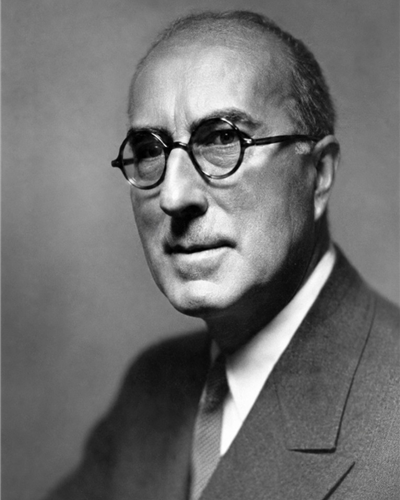
El método Wyckoff es una tradición de análisis que compara movimientos del precio y cantidades negociadas para formular hipótesis sobre oferta, demanda y tendencia del mercado. Nace del trabajo de Richard D. Wyckoff; las fases, siglas y listas de control que se enseñan hoy también reflejan desarrollos posteriores.
Ejemplo hipotético — Tras una caída, un precio oscila entre 100 y 110. Este intervalo lateral, o rango de negociación, muestra una pausa en la caída. Por sí solo no revela si se están construyendo posiciones mediante compras, es decir, acumulando, o si habrá otra caída.
Qué se observa
En Studies in Tape Reading, cap. I, pp. 9–10, Wyckoff describe la lectura de la cinta, el flujo de transacciones, como un juicio sobre la tendencia inmediata y la relación entre las acciones individuales y el mercado. En el cap. V pide evaluar los volúmenes respecto a la actividad de la acción y del mercado (p. 78) y recuerda que estos indicios pueden ser poco claros o falibles (p. 83).
Al leer gráficos se comparan subidas, caídas, cantidades negociadas y amplitud de las barras, es decir, la distancia entre el máximo y el mínimo del periodo. El volumen mide la cantidad negociada; no identifica compradores, vendedores ni intenciones. La discrecionalidad consiste en valorar estos elementos juntos: dos analistas pueden asignar etiquetas distintas a los mismos datos.
Del mercado a una acción individual
La síntesis de los cinco pasos presentada por ChartSchool sigue esta secuencia:
- evaluar la tendencia del mercado;
- comparar la fortaleza de la acción con el mercado;
- estimar una proyección mediante gráficos de punto y figura;
- aplicar las pruebas de compra o venta;
- evaluar el momento de entrada en relación con el mercado.
Una proyección de punto y figura depende de las reglas de construcción y recuento. Debe distinguirse del precio que se alcanzará y de la pérdida posible: antes de aplicarla hay que definir qué invalidaría la hipótesis y qué riesgo se asume.
Cuatro fases y esquemas A–E
El ciclo de cuatro fases distingue acumulación, subida (markup), distribución y caída (markdown). Las letras A–E, en cambio, subdividen los esquemas de rango de negociación: son dos niveles descriptivos distintos.
Reconocer un parecido con un esquema no demuestra qué fase está en curso. Un análisis verificable también registra interpretaciones alternativas y acontecimientos que llevarían a abandonar la etiqueta, sin reasignarla únicamente después de conocer el resultado.
Composite Man
Wyckoff Analytics recoge, atribuyéndola al curso Wyckoff, la idea de estudiar el mercado como si reflejara la acción de un Composite Man. Es un modelo interpretativo; esta cita indirecta no equivale a consultar el curso completo.
Fuentes históricas y enseñanza posterior
| Fuente | Qué documenta | Límite de atribución |
|---|---|---|
| Wyckoff, Studies in Tape Reading (1910), cap. I y V | Lectura de transacciones, contexto de los volúmenes y límites del juicio | Estos pasajes no verifican el origen de cada esquema moderno |
| Curso Wyckoff, citado por ChartSchool | La referencia al Composite Man remite a la sección 9, pp. 1–2 | No se consultó el curso completo; WorldCat ofrece un registro bibliográfico |
| Wyckoff SMI, Library | La historia del instituto atribuye a Robert Evans las metáforas del arroyo (creek) y del hielo (ice) | Es la atribución del instituto sobre su propia tradición didáctica |
| Jim Forte, Anatomy of a Trading Range (1994), pp. 48–50 | Esquema SMI de acumulación con fases A–E | Documenta esta exposición, no la primera invención de las letras |
| Pruden y Belletante, Wyckoff Laws and Tests | Exposición de tres leyes y nueve pruebas de compra | La página CMT de 2015 vuelve a publicar un texto anterior; no fecha su origen |
La tabla distingue documentos originales, citas indirectas y síntesis consultables. No establece una genealogía completa de cada regla. En particular, que una lista de control aparezca en una fuente moderna no prueba ni descarta que algunas de sus partes ya estuvieran presentes en el curso histórico.
Recorrido de estudio
Para empezar, sigue el recorrido breve:
- Tres leyes — el vocabulario de los principios analíticos.
- Cinco pasos — el orden de análisis.
- Nueve pruebas de compra y venta — los controles de la síntesis didáctica.
Después, profundiza en Composite Man, rango de negociación y los esquemas de Acumulación A–E y Distribución A–E. Las fuentes aquí citadas explican un método; no demuestran una ventaja predictiva universal ni un resultado económico.
Fuentes
- Richard D. Wyckoff, Studies in Tape Reading (1910), digitalización de la University of California, cap. I, pp. 9–10; cap. V, pp. 78 y 83.
- Richard D. Wyckoff, The Richard D. Wyckoff Method of Trading in Stocks, registro WorldCat, sin fecha en el registro consultado; no es el texto del curso.
- Wyckoff Analytics, Wyckoff Method, sección “Wyckoff's Composite Man”: cita del curso recogida por la fuente moderna.
- StockCharts ChartSchool, The Wyckoff Method: A Tutorial, secciones “A Five-Step Approach to the Market” y “Wyckoff's Composite Man”.
- Henry O. Pruden y Bernard Belletante, Wyckoff Laws and Tests, republicado por CMT Association, septiembre de 2015; secciones sobre las tres leyes y las nueve pruebas.
- Jim Forte, Anatomy of a Trading Range, MTA Journal, verano–otoño de 1994, pp. 47–50.
- Wyckoff Stock Market Institute, Library, sección “History Of Wyckoff SMI”, pasaje sobre Robert Evans.