

Richard D. Wyckoff fue un operador, autor y editor financiero activo en Wall Street. En sus libros enseña a estudiar cómo cambian los precios y cuántas acciones se negocian, para formular hipótesis sobre la demanda, la oferta y la dirección del mercado. Vincula esta lectura con la preparación del operador y el control de las pérdidas.
Fuentes y alcance — El perfil sigue Studies in Tape Reading (1910), capítulos I y V, y How I Trade and Invest in Stocks and Bonds, capítulos I–II, VIII y XII. Los recuerdos personales permanecen atribuidos al autor; la exposición contemporánea del método se distingue de los libros originales.
Recorrido del maestro
Estudia a Richard D. Wyckoff en un orden claro
Empieza por la idea esencial, pasa al procedimiento y termina con lo que puede invalidar la lectura.
- Empieza aquí Introducción al método Wyckoff Cómo leer precio y volumen en la tradición Wyckoff, distinguiendo los escritos del autor de fases, esquemas y síntesis didácticas posteriores.
- Comprende el modelo Tres leyes Wyckoff Las tres leyes Wyckoff con fuentes y límites: oferta y demanda, causa y efecto, y esfuerzo frente a resultado.
- Aprende el procedimiento Cinco pasos Wyckoff Los cinco pasos Wyckoff: mercado, fortaleza relativa, causa de punto y figura, preparación, sincronización, riesgo y nueve pruebas documentadas en las fuentes.
- Verificación y límites Nueve pruebas de compra y venta (Wyckoff) Nueve pruebas Wyckoff de compra y venta: gráficos requeridos, lista específica de reacumulación y límite para redistribución.
Quién fue
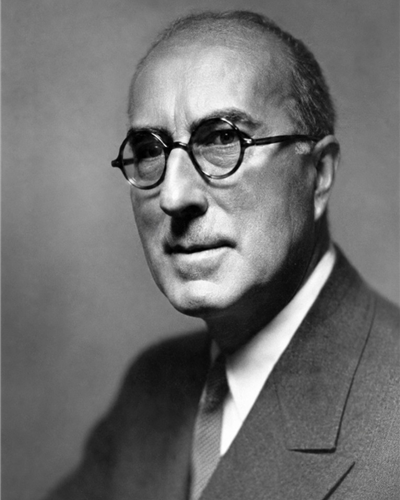
En el primer capítulo de How I Trade and Invest, Wyckoff cuenta que empezó a estudiar estadísticas ferroviarias y empresariales en 1888 por indicación de su empleador. Después describe su experiencia en oficinas de corretaje y la observación de los errores de los clientes: tomar pequeños beneficios, dejar crecer las pérdidas o comprometer demasiado capital tras una racha favorable.
En el capítulo II afirma haber fundado durante el pánico de 1907 la revista entonces llamada The Ticker, después The Magazine of Wall Street. Explica que las preguntas de los lectores, los artículos recibidos y sus propios estudios alimentaron el trabajo posteriormente reunido en Studies in Tape Reading. Son testimonios autobiográficos: documentan su relato de su formación y actividad editorial, sin verificar de forma independiente los resultados económicos que declara.
La contribución documentada en los libros
- Leer las operaciones en su contexto. El tape reading consiste en seguir la secuencia de precios y cantidades de las transacciones, entonces impresa en una cinta. En Studies, capítulo I, Wyckoff lo presenta como una forma de estimar la tendencia inmediata y la relación entre oferta y demanda. En el capítulo V precisa que el volumen debe evaluarse respecto a la actividad de la acción y del mercado: la misma cantidad no tiene el mismo significado en todas las situaciones.
- Estudiar una campaña a lo largo del tiempo. En How I Trade and Invest, capítulo II, describe una campaña alcista en tres etapas: acumulación de acciones, subida del precio (marking up) y distribución de las posiciones. Para las operaciones bajistas describe la secuencia opuesta. Es su interpretación de la actividad de los grandes operadores; esa secuencia no equivale ya a toda la nomenclatura A–E de los esquemas didácticos actuales.
- Preparación, pérdidas y costes. En los capítulos VIII y XII insiste en la posibilidad de equivocarse, la protección del capital y el peso de las comisiones y otros costes. El resultado conjunto de las operaciones importa más que la ausencia de errores individuales. La preparación también precede al empleo del dinero, en lugar de ser sustituida por la imitación de un operador famoso.
Del autor a la tradición posterior
En la exposición actual de Wyckoff Analytics, el método incluye Composite Man, tres leyes, fases A–E, cinco pasos y nueve tests. El Composite Man invita a leer el mercado «como si» actuara un operador único. Esta fuente documenta su propia síntesis didáctica, no demuestra el origen histórico de cada término.
El curso íntegro atribuido a Wyckoff no está disponible en el corpus consultado. La procedencia y las variantes de los esquemas deben estudiarse en las entradas correspondientes, distinguiendo los libros originales, el curso y los desarrollos posteriores. No atribuimos automáticamente al autor todas las listas de comprobación publicadas hoy bajo su nombre.
Límites de la lectura
En el capítulo V de Studies, Wyckoff advierte que los indicios de volumen no siempre son claros ni infalibles. Los precios y las cantidades observados permiten construir una interpretación; no identifican por sí solos quién ha negociado ni las intenciones de los participantes. Reconocer a posteriori una figura de acumulación no demuestra que pudiera haberse reconocido a tiempo.
Incluso en sus libros, el uso de los datos varía según el tipo de operación: en el capítulo VIII de How I Trade and Invest describe un enfoque propio basado en los precios diarios, en el que el volumen puede ayudar sin ser indispensable. Reducir toda su obra a una única fórmula precio-volumen borraría estas diferencias. Los ejemplos y resultados relatados por el autor no demuestran una rentabilidad reproducible hoy.
Qué estudiar hoy
Empieza por la introducción al método Wyckoff: explica el vocabulario y distingue las fuentes antes de los esquemas. Estudia las tres leyes para entender el modelo, después los cinco pasos para ordenar las preguntas; en los nueve tests comprueba qué observaciones y gráficos requiere cada control.
Para profundizar en el autor, compara el capítulo V de Studies con el capítulo II de How I Trade and Invest: el primero sigue las operaciones, el segundo describe campañas más largas. Anota por separado los datos observados, la interpretación de Wyckoff y lo que la evolución posterior del mercado podría refutar. Es un ejercicio de lectura de fuentes, no una prueba de rentabilidad.
Fuentes
- R. D. Wyckoff, Studies in Tape Reading (1910), capítulo I, pp. 9–10 (definición); capítulo V, pp. 78, 83 y 90–93 (contexto del volumen, límites y campañas). Fuente primaria; páginas impresas de la copia digitalizada.
- R. D. Wyckoff, How I Trade and Invest in Stocks and Bonds, capítulo I, pp. 15–25; capítulo II, pp. 35–40; capítulo VIII, pp. 116–123; capítulo XII, pp. 159–169. Fuente primaria autobiográfica y operativa. El registro está catalogado como 1922; la copia consultada muestra 1925 en la portada y 1926 con la indicación de quinta edición en la página siguiente. Las referencias utilizan las páginas impresas de esta copia.
- Wyckoff Analytics — Wyckoff Method, síntesis didáctica moderna, consultada el 8 de septiembre de 2026.