

El trading no nació de un único manual. Creció a través de personas que observaron mercados diferentes, formularon hipótesis, construyeron herramientas y a menudo corrigieron sus propios errores. Aquí puedes empezar por una persona y seguir sus ideas sin confundir la biografía con el método.
Si es la primera vez que encuentras un nombre, abre su perfil: empieza por quién era y qué problema intentaba resolver. El recorrido guiado avanza después del concepto esencial al procedimiento y, finalmente, a los límites.
Recorridos guiados
Cada recorrido disponible conecta a una persona con un núcleo breve de páginas verificadas. Las escuelas históricas conducen a la tradición completa; los creadores de herramientas llevan desde las medidas hasta su uso y, por último, a la verificación. No son clasificaciones ni atajos operativos.
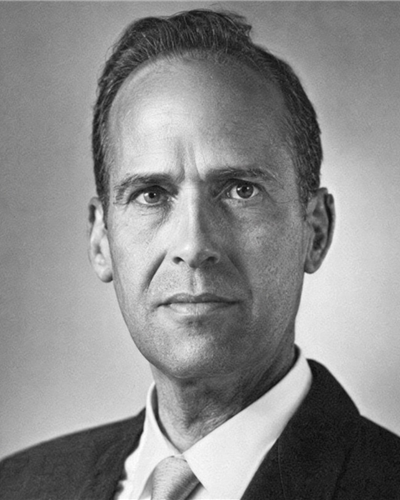
J. M. Hurst
1924–2005- 01Empieza aquíFilosofía operativa de Hurst: timing, medición y límites
- 02Comprende el modeloCinco principios de Hurst: el modelo cíclico
- 03Aprende el procedimientoCiclos nominales Hurst: duración y variación
- 04Verificación y límitesPitfalls del análisis cíclico según Hurst: tres causas de error
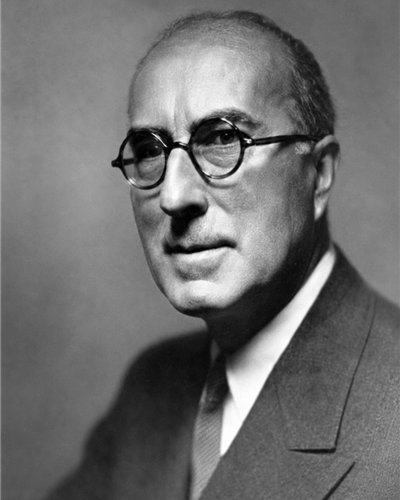
Richard D. Wyckoff
1873–1934- 01Empieza aquíIntroducción al método Wyckoff
- 02Comprende el modeloTres leyes Wyckoff
- 03Aprende el procedimientoCinco pasos Wyckoff
- 04Verificación y límitesNueve pruebas de compra y venta (Wyckoff)
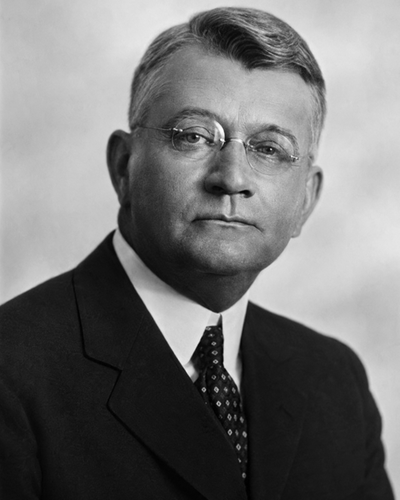
Ralph Nelson Elliott
1871–1948- 01Empieza aquíThe Wave Principle (1938): obra, contexto y corpus de Elliott
- 02Comprende el modeloEstructura 5–3 y grados de onda en la tradición Elliott
- 03Verificación y límitesRecuento Elliott: patrones, reglas, alternativas y límites
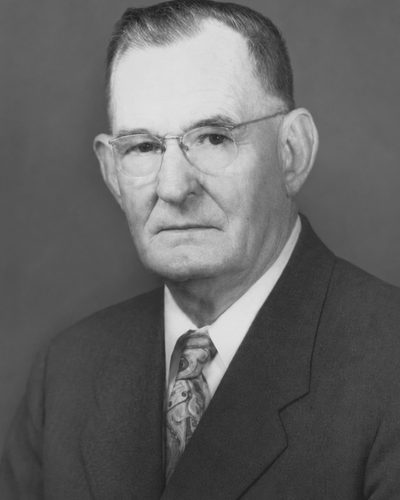
W.D. Gann
1878–1955- 01Empieza aquíW. D. Gann: obras, fuentes y cronología verificada
- 02Comprende el modeloGann: lectura de cinta, volumen y tendencia
- 03Aprende el procedimientoGann: reglas, tendencia y control del riesgo
- 04Verificación y límitesGann: ciclos, vibración y astrología en las fuentes
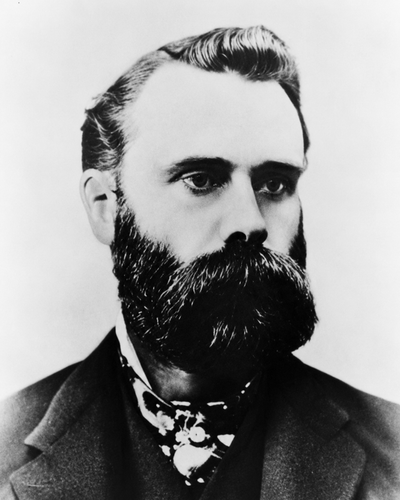
Charles H. Dow
1851–1902- 01Empieza aquíTeoría de Dow
- 02Comprende el modeloLos tres movimientos del mercado en la tradición Dow
- 03Aprende el procedimientoLa línea de Dow: acumulación, distribución y ruptura
- 04Verificación y límitesConfirmación entre las medias en la Teoría de Dow
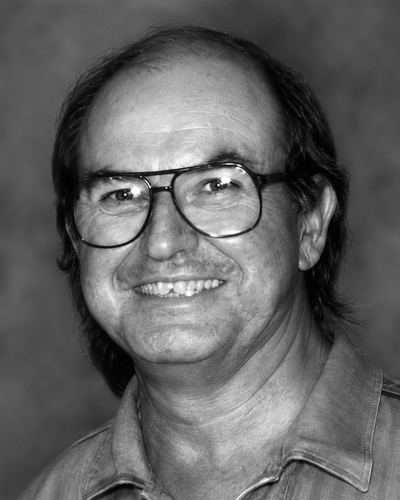
J. Peter Steidlmayer
1938–- 01Empieza aquíIntroducción a la tradición Steidlmayer
- 02Comprende el modeloMarket Profile
- 03Aprende el procedimientoEstrategia de trading — Market Logic
- 04Verificación y límitesSoybean futures (1991)
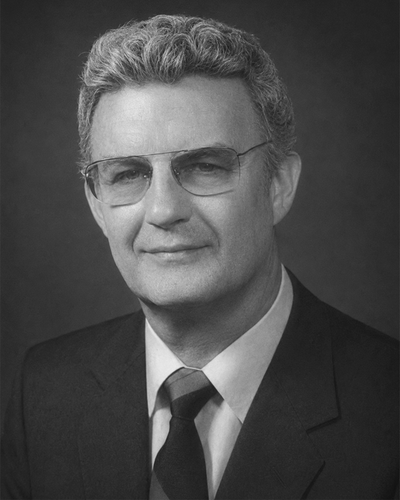
J. Welles Wilder
1935–2021- 01Empieza aquíRSI (Relative Strength Index)
- 02Comprende el modeloATR (Average True Range)
- 03Comprende el modeloADX (Average Directional Index)
- 04Aprende el procedimientoParabolic SAR
- 05Verificación y límitesBacktest

John Bollinger
1950–- 01Empieza aquíVolatilidad: significado, medidas y límites
- 02Comprende el modeloDesviación estándar de los rendimientos
- 03Aprende el procedimientoBandas de Bollinger
- 04Verificación y límitesBacktest

Larry Williams
1942–- 01Empieza aquíWilliams %R: posición del cierre dentro del rango
- 02Comprende el modeloCOT report
- 03Aprende el procedimientoEstacionalidad de mercado
- 04Aprende el procedimientoPosition sizing
- 05Verificación y límitesBacktest

Ray Dalio
1949–- 01Empieza aquíDiversificación
- 02Comprende el modeloCorrelación
- 03Aprende el procedimientoRisk parity
- 04Aprende el procedimientoRégimen de mercado
- 05Verificación y límitesPrueba de estrés
Todos los protagonistas
La galería reúne automáticamente todas las biografías publicadas y agrupa los perfiles por familia de ideas. Cada ficha lleva a la persona; desde allí, los enlaces conducen a los conceptos y las fuentes sin duplicar el mismo contenido.
Orígenes del oficio
Cinta, índices, velas y primeras gramáticas del mercado.
Richard D. Wyckoff: leer precios y operaciones, estudiar campañas de mercado y controlar el riesgo. Los libros originales y la tradición posterior.
Abrir el perfilCharles H. Dow (1851–1902) fue periodista financiero, cofundador de Dow Jones & Company y de The Wall Street Journal. Sus medias y editoriales son el punto de partida de la tradición que después recibió el nombre de Teoría de Dow.
Abrir el perfil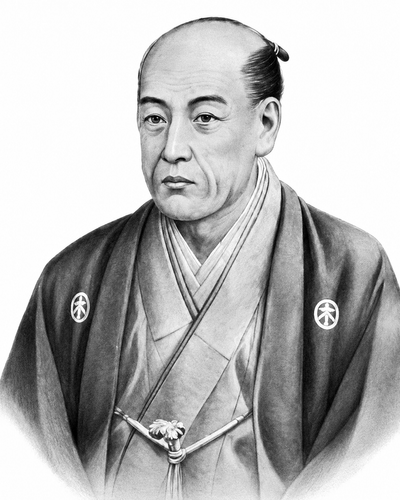
Munehisa Homma (1717–1803) fue un comerciante de arroz de Sakata. Las fuentes lo vinculan a una tradición de disciplina de mercado, pero no prueban que inventara las velas modernas.
Abrir el perfil
Jesse Livermore (1877–1940) documentó un método basado en registros de precio y tiempo, valores líderes, puntos pivote y control de pérdidas. Su manual debe distinguirse del personaje Larry Livingston.
Abrir el perfilTiempo, ciclos y formas
Modelos que organizan oscilaciones, ondas y recurrencias.
J. M. Hurst, ingeniero y autor de Profit Magic (1970): biografía documentada, ciclos nominales, herramientas, obras posteriores y recorrido de estudio.
Abrir el perfil
Giuseppe Migliorino fundó Borsari y publicó manuales italianos sobre ciclos de mercado. La ficha separa contribuciones documentadas de afirmaciones sin apoyo.
Abrir el perfilW. D. Gann a través del relato de 1909, el manual de 1923 y la novela de 1927: ideas que estudiar y límites de las atribuciones.
Abrir el perfilBiografía documentada de Ralph Nelson Elliott, desde las obras originales hasta la distinción entre su aporte y la codificación posterior.
Abrir el perfilConstructores de herramientas
Medidas y lenguajes visuales incorporados al trabajo diario.
J. Peter Steidlmayer (n. 1938): trader del CBOT y creador del Market Profile, una representación TPO del tiempo transcurrido en cada precio; los datos de volumen pertenecen a una capa distinta.
Abrir el perfil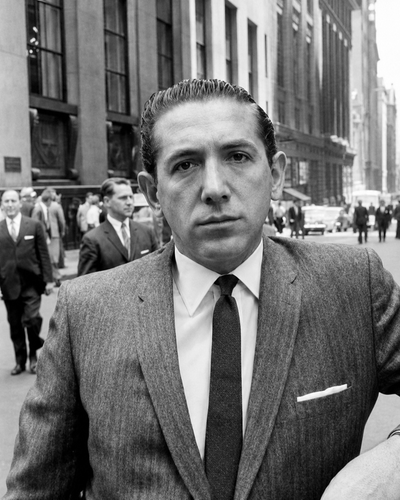
Nicolas Darvas desarrolló la box theory: precio y volumen delimitan un rango, mientras ruptura y stop definen entrada, riesgo y salida.
Abrir el perfilJ. Welles Wilder organizó volatilidad, dirección, fuerza y stops en herramientas distintas: ATR, DMI/ADX, RSI y Parabolic SAR.
Abrir el perfilJohn Bollinger desarrolló en los años ochenta bandas adaptativas a la volatilidad: describen precios relativamente altos o bajos, pero no son señales autónomas.
Abrir el perfilReglas, pruebas y sistemas
Del trend following a la investigación cuantitativa y la disciplina.

Ed Seykota (1946): pionero del seguimiento de tendencias por ordenador, los primeros sistemas que se ejecutaron en tarjetas perforadas en los años 70, y de la psicología del trading como disciplina. Rendimiento documentado entre los mejores de todos los tiempos.
Abrir el perfil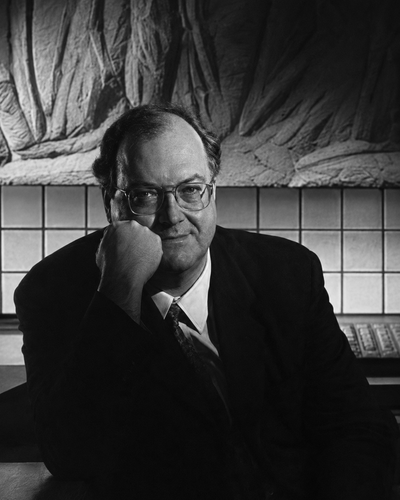
Richard Dennis (1949): el «Príncipe del Pit» de Chicago, de unos pocos cientos de dólares a cientos de millones en materias primas. Con el experimento de las Tortugas demostró que el trading ganador se puede enseñar.
Abrir el perfilLarry Williams desarrolló Williams %R y divulgó el uso de COT, estacionalidad y reglas verificables en el trading de corto plazo.
Abrir el perfil
Linda Raschke ha documentado un enfoque de trading a corto plazo basado en setups escritos, registro de decisiones, rutinas e investigación continua.
Abrir el perfil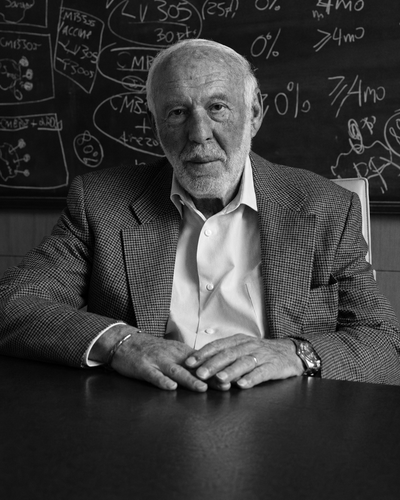
Jim Simons (1938–2024) llevó matemáticas, datos e investigación colectiva al trading cuantitativo; la lección pública es el proceso, no las señales secretas.
Abrir el perfilEscenarios macro
Regímenes, liquidez, concentración y gestión del riesgo.

Paul Tudor Jones (n .º 1954): macrotrader, fundador de Tudor Investment. Anticipó y cabalgó el desplome de octubre de 1987; célebre por las apuestas asimétricas 5:1 y por la regla de la media de 200 días.
Abrir el perfil
George Soros (n .º 1930): fundador del Quantum Fund y teórico de la reflexividad: los mercados no reflejan la realidad, la modifican. El 16 de septiembre de 1992, su posición contra la libra esterlina dobló al Banco de Inglaterra.
Abrir el perfil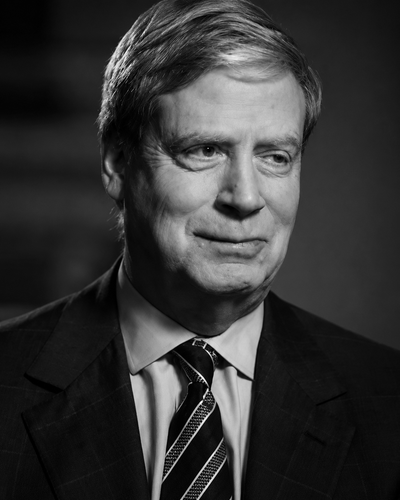
Stanley Druckenmiller describe un proceso macro flexible, multiactivo y concentrado en las tesis más sólidas. Contribuciones verificadas y límites prácticos.
Abrir el perfilRay Dalio construyó Bridgewater en torno a principios explícitos, pruebas históricas y carteras equilibradas por escenarios. Contribuciones, límites y estudio.
Abrir el perfilEl horizonte del inversor
Valor, calidad y largo plazo como contrapunto al trading.

Cómo leer un perfil
Una fecha, un libro o una empresa necesitan una fuente. Una interpretación posterior se identifica como tal. Esta distinción importa: muchas técnicas hoy asociadas a un maestro fueron formalizadas por alumnos, editores o escuelas surgidas más tarde.
Las fuentes primarias aparecen primero cuando están disponibles; los archivos, las instituciones y los estudios históricos aportan contexto. Las promesas de rendimiento, las anécdotas imposibles de verificar y las atribuciones circulares no se convierten en hechos por repetirse en internet.
De la persona al método
Si quieres estudiar una idea sin seguir a un autor, entra en Conceptos. Para herramientas y procedimientos, continúa hacia Indicadores y Metodologías. Las tradiciones, en cambio, reconstruyen cómo se formó un lenguaje de mercado a lo largo del tiempo.
Fuentes de orientación
- Samuel A. Nelson, The ABC of Stock Speculation, 1903.
- J. M. Hurst, The Profit Magic of Stock Transaction Timing, 1970.
- Jack D. Schwager, Market Wizards, 1989.
- Las obras primarias y las fuentes biográficas específicas figuran en cada perfil.