

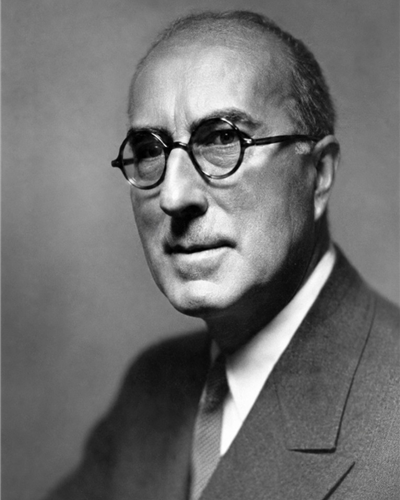
A quién sirve esta entrada — A quien encuentra la expresión “Composite Man” y quiere distinguir el modelo didáctico de las afirmaciones fácticas sobre manipulación o control del mercado.
Fuente y nivel — El término se vincula a la sección 9 del curso Wyckoff mediante el registro bibliográfico de WorldCat y la comparación con la reproducción didáctica de StockCharts. El curso de 1931 no está disponible aquí como copia primaria completa; por eso separamos la lectura del rango de la interpretación moderna de Forte.
Definición
En el curso Wyckoff, el Composite Man es un recurso analítico: las fluctuaciones del mercado se estudian como si fueran el resultado de las operaciones de un solo sujeto. El modelo invita a buscar una secuencia coherente entre precio, volumen, movimientos alcistas, reacciones y rangos de negociación.
No es una persona identificable, no coincide necesariamente con un creador de mercado y no prueba que varias instituciones actúen de forma coordinada. En el mercado real confluyen órdenes con motivaciones distintas. El Composite Man comprime esa complejidad en una hipótesis legible; la evolución posterior debe apoyarla o contradecirla.
Cómo cambia la lectura
La heurística desplaza la atención desde la explicación de una sola vela hacia la relación entre varios eventos:
| Observación | Pregunta Wyckoff | Conclusión prudente |
|---|---|---|
| Precio lateral | ¿El rango muestra absorción, distribución o simple equilibrio? | El rectángulo por sí solo no decide |
| Ruptura del soporte | ¿El reingreso, la prueba y la continuación encajan con un spring? | La activación de una orden de protección no prueba manipulación |
| Ruptura de la resistencia | ¿La amplitud, el volumen y la conducta posterior respaldan un SOS? | La primera barra puede fallar |
| Volumen elevado | ¿Cuánto avanzó el precio frente al esfuerzo? | Volumen alto no significa automáticamente alcista |
Ejemplo hipotético — Tras una caída, el precio entra en un rango. Las reacciones hacia el soporte pierden amplitud y volumen; después, un avance sobre la resistencia conserva el nivel durante una prueba. La lectura de acumulación gana coherencia, pero sigue siendo una interpretación: la liquidez, las noticias y la composición de las operaciones pueden producir patrones similares.
Campaña y fases
La enseñanza moderna utiliza el Composite Man para representar intereses dominantes que podrían ser compatibles con cuatro fases ideales:
| Fase | Hipótesis del modelo | Evidencias buscadas |
|---|---|---|
| Acumulación | Compras netas repartidas en el tiempo | Menor oferta en las pruebas, seguida de SOS/LPS |
| Markup | La demanda domina tras salir del rango | Máximos/mínimos crecientes y reacciones contenidas |
| Distribución | Ventas netas repartidas en el tiempo | Demanda menos eficaz, seguida de SOW/LPSY |
| Fase bajista (markdown) | La oferta domina tras perder el rango | Rebotes débiles y estructura descendente |
Estas etiquetas no revelan inventario, identidad ni intención de los participantes. Describen lo que la metodología considera compatible con una campaña, no lo que se ha demostrado a partir de las órdenes individuales.
Límites y control de la hipótesis
El principal riesgo es la explicación retrospectiva: conocido el resultado, casi cualquier oscilación puede convertirse en una “maniobra del Composite Man”. Para evitar una narración no falsable:
- definir por adelantado qué eventos confirmarían o invalidarían la lectura;
- combinar las tres leyes con contexto y estructura;
- no atribuir intención o manipulación basándose solo en el gráfico;
- mantener separados análisis, tamaño de posición y gestión del riesgo.
Fuentes
- Richard D. Wyckoff, The Richard D. Wyckoff Method of Trading in Stocks, sección 9; registro bibliográfico de WorldCat.
- StockCharts ChartSchool, The Wyckoff Method: A Tutorial — “Wyckoff's Composite Man”, que reproduce el pasaje del curso y define el recurso como heurística.
- Jim Forte, Anatomy of a Trading Range, MTA Journal, 1994, para el uso del modelo en el análisis del rango.