

In simple terms, write down what you are looking for before trading; after the trade, record what actually happened.
Who she is, in brief
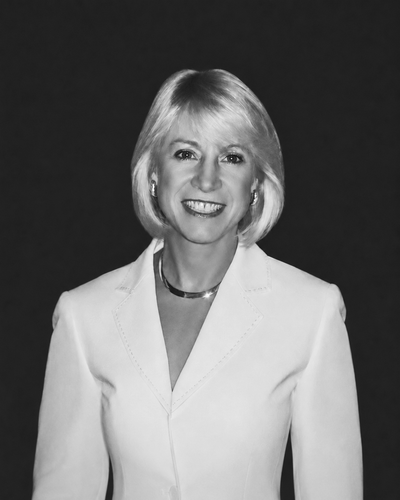
Linda Bradford Raschke is an American trader specializing in short-term trading. Her CMT Association biography dates the start of her professional career to 1981 as an options market maker and documents her membership of two U.S. exchanges. She later worked as an independent trader, Commodity Trading Advisor and head of LBRGroup.
In 1995 she published Street Smarts: High Probability Short-Term Trading Strategies with Laurence A. Connors. Google Books attributes the work to both authors and describes it as a manual on short-term strategies, pattern recognition and market conditions. The book's editorial importance lies in its form: operating ideas are turned into procedures that the reader can describe and check.
The documented contribution
The most useful contribution to study is the codification of the short-term process. A setup is not merely a recognizable shape on a chart: it should specify context, activation condition, invalidation and management method. It can then enter a playbook and be compared with earlier cases.
In a CMT Association interview, Raschke summarized her practice with three “Rs”: record keeping, routines and rituals, research. Recording separates memory from facts; routine reduces improvised decisions; research tests whether an idea remains useful. These are observable, transferable principles even when the reader does not copy a single strategy from the book.
Limits and attribution
Street Smarts is a co-authored work, so it is inaccurate to attribute every setup automatically to Raschke alone. A published rule is also not a promise of future effectiveness. Market, horizon, liquidity, costs and execution method can completely change the outcome.
A setup describes a condition; it does not replace risk control. Position size, invalidation and maximum loss must be defined before entry.
The biographical sources include professional sites and presentations by the author. This entry uses them for career history and stated method, but does not validate returns, rankings or promotional claims. Readers must test each procedure on data appropriate to their intended use.
What to study now
Start with setup and playbook to write a complete rule. Then build a pre-market routine that defines scenarios and conditions before the open. Close the cycle with a trading journal: keep decision, context, execution and outcome separate, so review can improve the process instead of retroactively justifying one trade.
Sources
- CMT Association — Linda Raschke
- CMT Association — Interview with Linda Raschke
- Google Books — Street Smarts
- Linda Raschke — professional website